Tuesday Night Intercepts: What You Actually Hear With a $30 Dongle and No Life
There's a specific kind of person who orders an RTL-SDR dongle at 11 p.m. on a work night, and that person is increasingly all of us.
Walk into any hamfest from Dayton to Tulsa lately and you'll see the same scene: tables picked clean of cheap USB receivers, homebrew antenna wire sold by the spool, and grizzled hobbyists explaining to newcomers — lots of newcomers — that yes, a thirty-dollar stick of plastic really can pull signals out of the air that your phone has been quietly hiding from you.
The RTL-SDR boom isn't new among radio nerds. What's new is the volume. Starter kits that sat in warehouses are now backordered. Antenna wire is a checkout-line item. Something in the American brain has decided it wants to hear the raw spectrum again.
Why Now
Ask five buyers why they got into it and you'll get five answers, but they cluster around a few themes.
Distrust of the feed. Every app you use is a curated product. Someone chose what you see, and they chose it to make money off you. A radio signal is the opposite: it's just there, unranked, unalgorithmized, arriving whether or not it serves an ad. For people burned out on recommendation engines, pointing an antenna at the sky feels almost transgressive.
Conspiracy culture, minus the conspiracies. A chunk of the new wave arrived via YouTube videos with ominous thumbnails. But stick around in the hobby and most people mellow out — the actual signals are interesting enough without embellishment. Aircraft autopilots, satellite weather images, utility telemetry: reality is the draw.
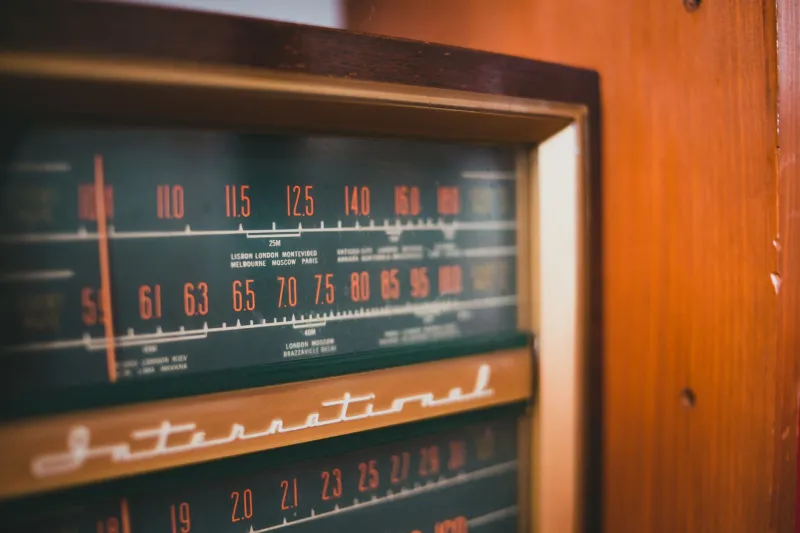
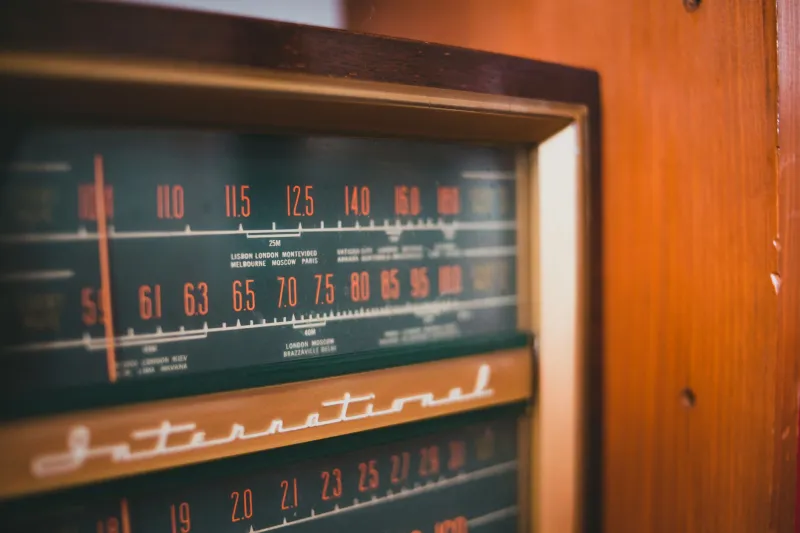
Nostalgia with a soldering iron. A lot of buyers are guys in their forties and fifties who remember spinning a dial in the dark and want their kids to know what that felt like.
The Gear Ladder
Here's the honest breakdown of what your money buys:
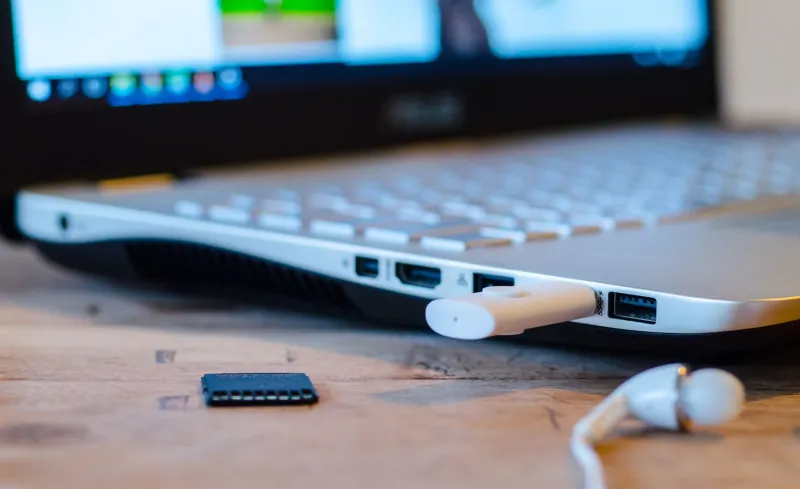
Under $50 — the dongle tier. An RTL-SDR kit: USB receiver, a couple of antennas, software that's free. This covers roughly 24 MHz to 1.7 GHz. You'll hear aircraft chatter, police and fire dispatch (unencrypted channels — many are), ham repeaters, weather broadcasts, satellites passing overhead. On a quiet Tuesday night, an aircraft band scanner near any mid-size airport is genuinely addictive.
$100–$250 — the serious listener tier. Better receivers with wider coverage, plus a proper outdoor antenna. This is where shortwave opens up: international broadcasters, time stations, and — yes — the occasional genuinely weird unexplained carrier. A decent antenna on the roof beats any amount of software magic.
$400 and up — the club tier. This is the price of admission to the serious game: wideband receivers, directional antennas, rotators. People at this level track weather satellites, decode slow-scan TV from the ISS, and participate in coordinated monitoring networks. It's a hobby with a ceiling high enough that you never reach it.
What You'll Actually Intercept
Cutting through the mythology: on an average weeknight, a well-set-up listener in a typical American suburb will log aircraft positions and chatter, local public safety traffic, ham operators chewing the fat, NOAA weather on a loop, pagers (they still exist), and data bursts from utility systems nobody's bothered to encrypt. Satellites pass over every few hours and will happily beam images of weather systems straight to your laptop.
Is it glamorous? Not usually. Is it real? Completely — and unmediated in a way almost nothing else in your life is.
The gear will sell out again. The signals were always free.