Static Gold: The Encrypted Auction Rooms Where Vintage Transmission Gear Changes Hands for Six Figures
There's a transmitter sitting in a climate-controlled storage unit somewhere outside Scottsdale, Arizona. It's a Collins Radio 20V-2, manufactured in the early 1950s, and it hasn't broadcast a signal in over four decades. The man who owns it — we'll call him Elias, because that's not his name — paid $340,000 for it through an invite-only auction platform that doesn't show up on any search engine. He paid in crypto. He has no receipt.
"It's not about broadcasting anything," Elias said during a brief phone conversation, one he agreed to only after a mutual contact vouched for us. "It's about owning a piece of the spectrum's history. That machine touched frequencies that most people today don't even know existed."
This is the world of frequency trading — not the Wall Street variety, but something stranger and considerably harder to track.
The Market Nobody Officially Knows About
Vintage radio equipment has always had a collector scene. Ham radio operators swap gear at swap meets. Estate sales occasionally surface old broadcast consoles. eBay has its own modest corner of the hobby. But what's been quietly developing over the last fifteen or so years is something categorically different: a high-dollar, deliberately opaque marketplace where collectors, experimental artists, signal researchers, and outright obsessives trade rare transmission hardware through channels that exist specifically to avoid documentation.
Estimates on the size of this underground market vary wildly, partly because no one who participates wants to quantify it. People with knowledge of the space — and who agreed to speak only without attribution — put the annual movement of goods somewhere between $800 million and $1.4 billion. That range is enormous, which tells you something about how loosely organized it all is. There's no central exchange. There's no governing body. There's just signal and money, passing between people who found each other through forums that look like dead ends to anyone not already inside.
"The entry point is usually something small," said one source who has brokered transactions in this space for years. "Someone picks up a vintage Hallicrafters receiver at a flea market, gets curious, starts asking questions in the right places. Then one day they get an invitation to something bigger, and the numbers start getting uncomfortable."
What They're Actually Buying
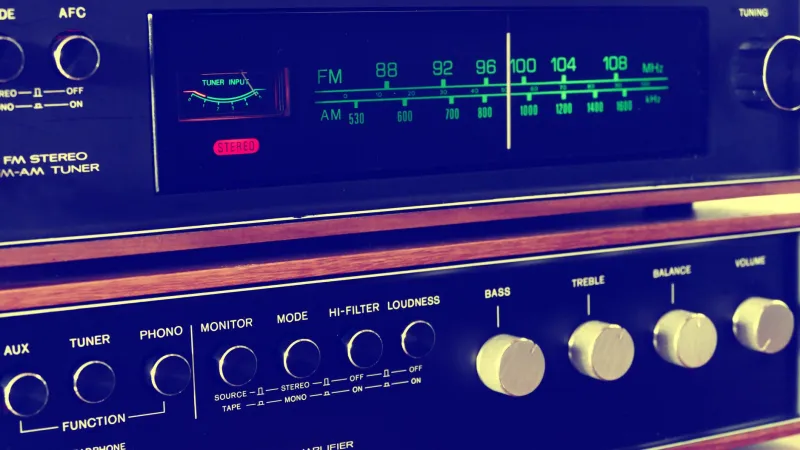
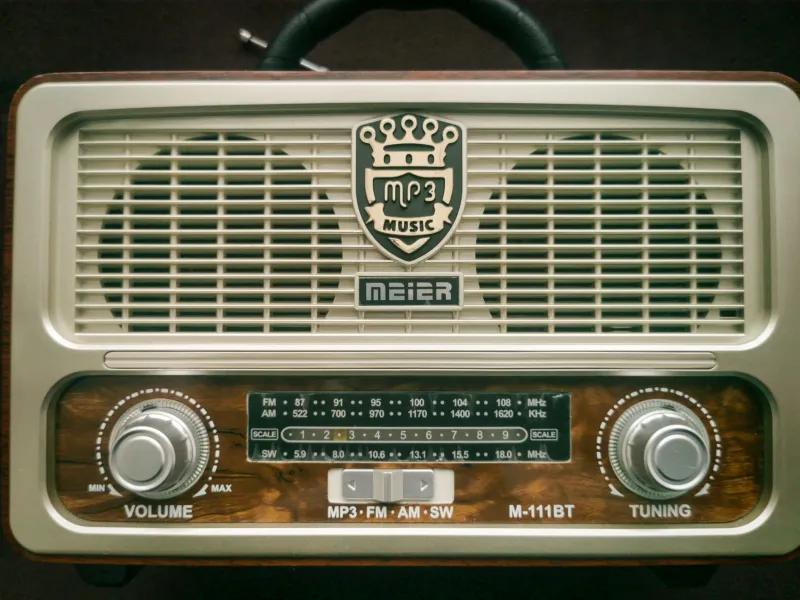
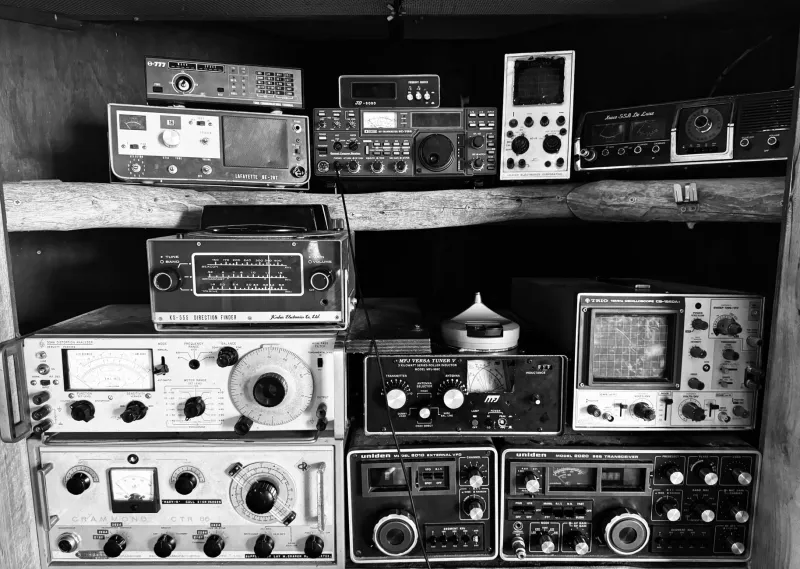
The inventory in this shadow market reads like a museum catalog that went missing. Cold War-era military surplus receivers. Decommissioned shortwave transmitters from government stations that were officially shut down decades ago. Broadcast consoles from AM stations that signed off before most of their current admirers were born. Occasionally, equipment surfaces with serial numbers that don't appear in any manufacturer's records — pieces that, by the paper trail, shouldn't exist.
The rarest items command prices that would make a serious art collector pause. A functioning RCA BTA-50F transmitter — the kind that once powered 50,000-watt AM stations across the Midwest — reportedly sold at a private auction in Chicago in 2021 for just under $900,000. The buyer, according to two separate sources with knowledge of the transaction, was a tech executive with a known interest in early broadcast infrastructure. The seller was never identified to the buyer directly. That's standard practice.
"Documentation is the enemy of this market," said one source bluntly. "Not because everything is illegal — most of it isn't — but because documentation creates trails, and trails create questions, and questions create problems for people who just want to own something extraordinary without explaining themselves to anyone."
Encrypted Channels and Layered Access
The architecture of how these transactions happen is, in itself, a kind of technical art project. Most deals begin on invite-only platforms — some running on the dark web, others operating through private servers that require hardware authentication to access. Listings are often written in language that assumes significant technical knowledge: a posting for a "functional 1940s heterodyne unit with original tubes" might look like gibberish to a casual reader but signals something specific to someone who knows what they're looking for.
Auctions operate on strict protocols. Bidders are typically vetted through a chain of existing members. Payments run through cryptocurrency wallets, sometimes laundered through several intermediary transactions before reaching the seller. Physical handoffs happen in person, often at amateur radio conventions or electronics swap meets — events where carrying unusual equipment in and out of a parking lot raises zero eyebrows.
The Signal Void community has been aware of this ecosystem's edges for years. References to certain auction platforms drift through encrypted chat groups and disappear. Usernames associated with specific rare acquisitions surface briefly, then vanish. The whole thing has the texture of a rumor that happens to be entirely real.
Status Symbols in a Subculture With No Public Face
What drives someone to spend collector-car money on a transmitter they'll never legally broadcast from? The answers, when you can get people to give them, tend to circle back to the same few ideas: ownership of something irreplaceable, proximity to a specific moment in broadcast history, and the particular appeal of possessing something that the official record has largely forgotten.
"There's a status to it that doesn't translate outside the community," said one participant who collects primarily Cold War-era government receivers. "You can't post it on Instagram. You can't bring it up at dinner. But the people who know, know."
That insularity is, by design, the point. This is a subculture that has actively chosen to remain invisible — not out of illegality (though legal gray areas certainly exist, particularly around equipment tied to unlicensed frequencies), but out of a genuine preference for existing outside documentation. The signal, as they see it, is purer without a paper trail.
Elias, the man with the Collins transmitter in Arizona, put it in terms that felt almost philosophical. "Everything worth knowing about the history of American broadcasting lives in the hardware," he said. "The FCC has its records. The historians have their books. But the machines remember things nobody wrote down."
He declined to say anything further. The call ended. The line went clean and silent — which, in this particular world, is its own kind of answer.