Stream Static, Spy Fiction: How Numbers Stations Found a Second Life in Your Spotify Queue
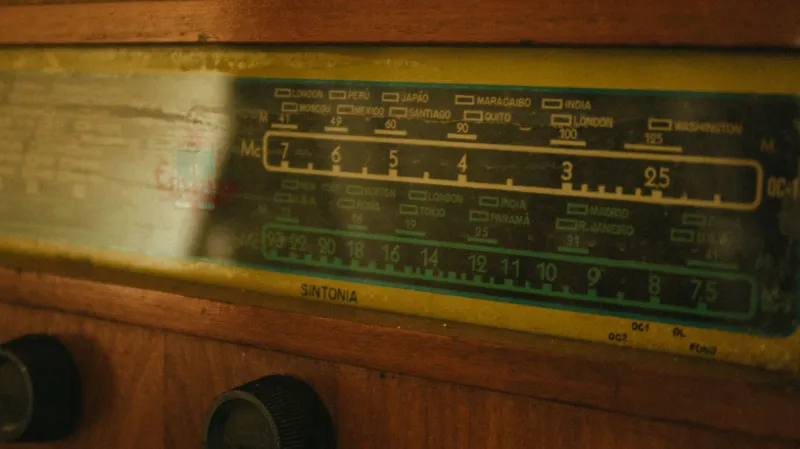
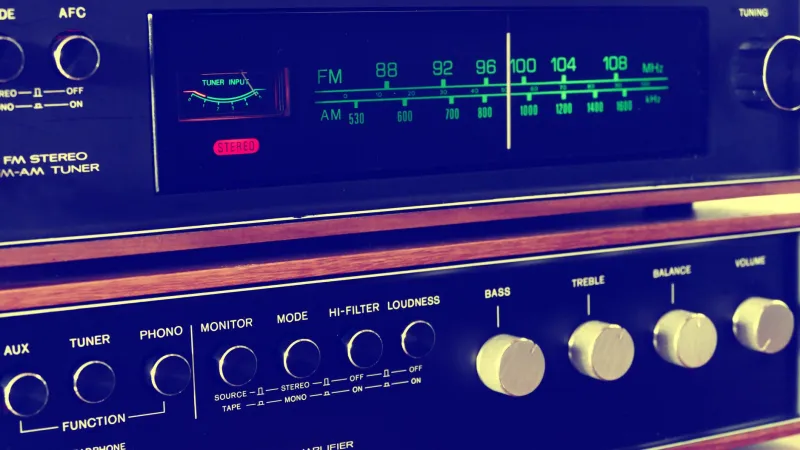
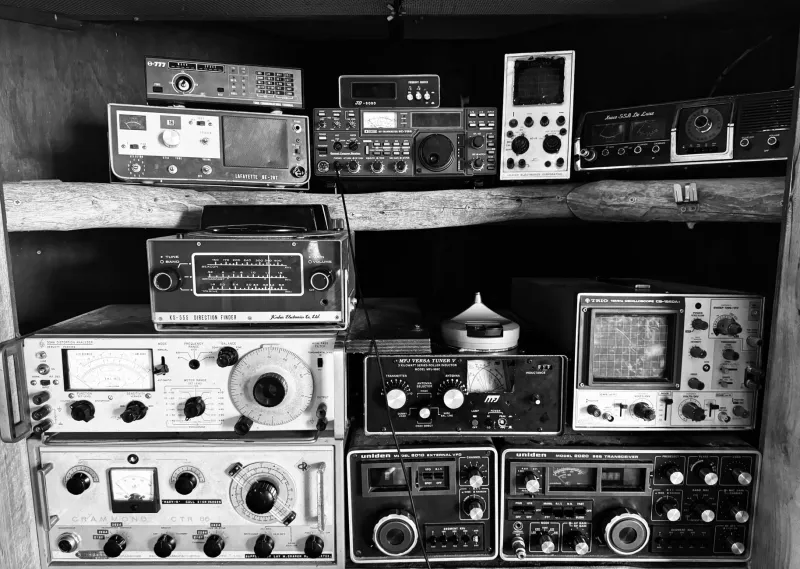
For most of the twentieth century, a numbers station was something you had to earn. You needed a shortwave receiver, patience, and the willingness to sit through hours of static hoping a synthesized voice would start reciting five-digit groups to nobody. The best-known ones — the Lincolnshire Poacher, UVB-76's buzzer — became legends precisely because they were hard to reach.
That barrier is gone now. And strangely, the genre didn't die. It multiplied.
The Playlist That Pretends to Be a Frequency
Open Spotify or Bandcamp and search hard enough and you'll find albums structured like intercept logs. Track one: a tone sequence. Track four: a woman's voice reading coordinates over a drone. Track nine: thirty seconds of dead air labeled, with a straight face, "SIGNAL LOST — REBROADCAST PENDING."
Some of these are film scores for spy movies that don't exist. Others are something stranger: alternate reality games dressed as transmissions, where the "station" is a fictional broadcaster with a history, a schedule, and a habit of going dark.
"I wanted people to feel like they'd stumbled onto something," says one Portland-based producer who releases under a callsign-style alias and asked to stay semi-anonymous — on brand, if nothing else. "The tracklist is the message. The song titles are the codebook. If you listen in order, there's a pattern. Most people never notice. The ones who do won't shut up about it in the comments."
Metadata Is the New Morse
The old-school numbers operators had it easy: one voice, one frequency, done. The streaming-era recreators work in a medium with far more places to hide things.
Creators spoke with Signal Void about their techniques, and the craft is genuinely elaborate:
- Deliberate metadata corruption. One artist uploads files with glitched ID3 tags — wrong years, mismatched album art, a "composer" field containing what looks like a grid reference. Fans treat the errors as canon.
- Fake station IDs. Short audio stingers between tracks announcing call signs that, when searched, lead to dormant social accounts posting nothing but timestamps.
- Coded sequencing. Track durations that sum to meaningful numbers. Track numbers that skip. A playlist order that changes when the platform shuffles it — which some creators swear is intentional, or at least were quick to claim afterward.
- Scheduled silence. An album that goes "off air" — delisted or replaced with a single tone — on anniversaries nobody can verify.
Is any of it an actual code? One creator's answer, delivered without a blink: "It's a code for the kind of person who checks."
The Listeners Who Take It Seriously
Here's where it stops being a bit. Online communities — Discord servers, dedicated subreddits, a few very committed YouTube archivists — treat these projects the way hobbyists once treated real shortwave oddities. They log broadcasts. They build timelines. They argue about whether a certain voice is the same voice from a different artist's project, as if these fictional stations share a universe.
Sometimes they do. There's loose crossover, creators borrowing each other's call signs, building a shared mythology that no label owns. It's fandom and folklore at the same time.
And occasionally the fiction gets mistaken for the real thing. A well-produced numbers station album has landed on genuine signal-hunting forums more than once, prompting confused threads from people asking which frequency carries it. The answer — "it's on Spotify, at 1x speed, forever" — somehow makes it better.
Why the Format Won't Die
Numbers stations were, at their core, a feeling: the knowledge that something was being said, somewhere, and it wasn't for you. That feeling is almost extinct in an era where every feed is personalized for you specifically. A broadcast you can't fully access — a tracklist you suspect means something, a voice reading digits to an unknown recipient — is the rarest thing in modern media.
The Cold War governments that ran the originals needed untraceable channels. Today's recreators just need an upload button and a tolerance for confused comments. The message, real or invented, is the same as it ever was:
Someone is listening. Just not you.
Five. Nine. Two. Seven. Zero. Good night.